
That Noise Isn't Normal — Here's What Your Garage Door Is Telling You
You press the button on your garage door opener, and instead of the smooth, quiet operation you're used to, you hear grinding, squealing, rattling, or banging. If your garage door has started making strange noises, it's not just an annoyance — it's often a warning sign that something needs attention before a small issue becomes a major repair.
As a homeowner in Macomb, your garage door works hard year-round. Between the freezing winters and humid summers we experience in Southeast Michigan, the components of your garage door system take a beating. Let's break down the most common garage door noises, what causes them, and what you can do about each one.
Squealing or Screeching Sounds
A high-pitched squeal or screech when your garage door opens or closes is one of the most common complaints we hear from homeowners. This sound typically points to one of a few issues:
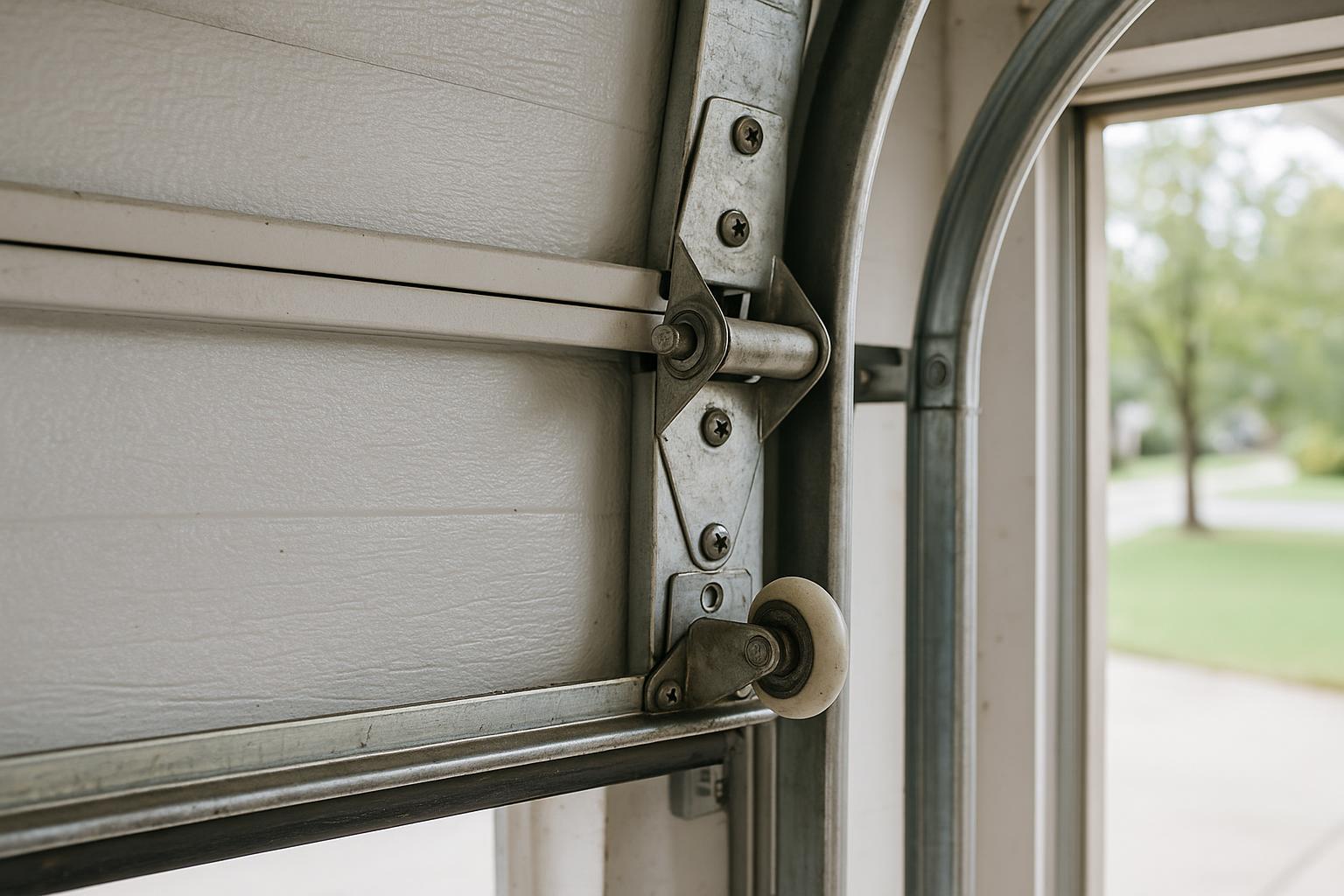
- Dry or worn rollers: Metal rollers that haven't been lubricated will grind against the track and produce a harsh screeching sound. Over time, the rollers can wear down and develop flat spots, making the noise even worse.
- Lack of lubrication on hinges and bearings: Every moving part of your garage door system needs periodic lubrication. When hinges, bearings, and pivot points dry out, metal-on-metal friction creates that unmistakable squeal.
- Worn torsion spring coils: As torsion springs age, the coils can begin to rub together and produce a squealing or groaning noise during operation.
What You Can Do
Start by applying a garage door-specific lubricant (not WD-40, which is a solvent, not a long-term lubricant) to the rollers, hinges, bearings, and spring coils. Use a silicone-based or lithium grease spray designed for garage doors. If the noise persists after lubrication, the rollers or other components may need to be replaced by a professional.
Grinding or Scraping Noises
A grinding or scraping sound usually indicates a problem with the tracks or rollers. Common causes include:
- Misaligned tracks: If the vertical or horizontal tracks have shifted even slightly, the rollers won't travel smoothly and will scrape against the track walls.
- Debris in the tracks: Dirt, leaves, small rocks, and even ice buildup during Macomb winters can obstruct the tracks and cause grinding as the door moves.
- Bent or damaged tracks: A bump from a car, a falling object, or simple wear and tear can bend a section of track, creating a rough spot that the rollers grind against every time the door operates.
What You Can Do
Visually inspect the tracks on both sides of the door. Look for visible bends, gaps between the track and the wall, or any debris caught inside. You can carefully clean out the tracks with a damp cloth, but do not attempt to realign or bend tracks back into shape yourself. Improperly adjusted tracks can cause the door to come off the rails entirely, which is a serious safety hazard. Call a garage door technician to handle track realignment.
Rattling or Vibrating Sounds
If your garage door sounds like it's shaking apart every time it moves, the problem is often simpler than you think:
- Loose hardware: The nuts, bolts, and screws that hold your garage door system together can loosen over time due to the constant vibration of daily use. Loose hinges, brackets, and track fasteners are frequent culprits.
- A loose garage door opener chain: If you have a chain-drive opener, the chain can develop slack over time, causing it to slap against the rail and create a rattling vibration throughout the garage.
- Worn support brackets: The brackets that secure the tracks to your garage wall and ceiling can loosen or deteriorate, allowing the entire track to vibrate during operation.
What You Can Do
Using a socket wrench, carefully tighten all visible nuts and bolts on the door's hinges, track brackets, and opener mounting hardware. Be careful not to overtighten, as this can strip the threads or warp the components. If the chain on your opener appears loose, consult your owner's manual for proper tension adjustment or have a technician handle it.
Loud Banging or Popping Sounds
A sudden bang or pop from your garage door is alarming, and for good reason — it often signals a more serious issue:
- Torsion spring problems: A loud bang can indicate a spring that has snapped or is under extreme stress. This is one of the most dangerous garage door issues because torsion springs are under tremendous tension.
- Panels snapping into place: If your garage door panels are slightly warped or the sections aren't properly aligned, they can pop or bang as they pass through certain points in the track.
- Opener gear issues: Worn or stripped gears inside the garage door opener can produce popping or banging sounds as they struggle to engage properly.
What You Can Do
If you hear a sudden loud bang, especially when the door isn't in use, do not attempt to operate the door. A broken torsion spring requires immediate professional repair. Operating a garage door with a broken spring can cause the door to fall unexpectedly, posing a serious risk of injury or property damage. Contact a garage door repair specialist right away.
Humming or Buzzing Without Movement
When you press the button and hear the opener humming or buzzing but the door doesn't move, the motor is running but something is preventing it from doing its job. This can be caused by:
- A stripped opener gear: The main drive gear inside the opener has worn out and can no longer transfer power to move the door.
- A locked or obstructed door: The manual lock may be engaged, or something may be physically preventing the door from moving.
- A door that's too heavy for the opener: If a spring has broken, the full weight of the door falls on the opener motor, which isn't designed to lift that load alone.
What You Can Do
First, check that the manual lock isn't engaged and that nothing is blocking the door. If the door is clear and still won't move, stop pressing the button — running the motor repeatedly against a stuck door can burn out the opener entirely. Call a professional to diagnose whether the issue is with the opener, the springs, or another component.
When to Call a Professional in Macomb
While basic maintenance like lubrication and tightening hardware is safe for most homeowners, many garage door noises point to problems that require professional tools, training, and replacement parts. You should call a garage door technician if:
- The noise persists after lubrication and basic maintenance
- You suspect a broken or damaged spring
- The tracks appear bent or misaligned
- The opener motor runs but the door won't move
- The door is visibly uneven or sagging on one side
At Macomb Garage Door Specialists, we help homeowners across Macomb, Shelby Township, Clinton Township, Sterling Heights, Utica, and Chesterfield diagnose and fix noisy garage doors every day. Whether it's a quick lubrication service or a full component replacement, we show up on time and get the job done right the first time.
Don't Ignore the Warning Signs
A noisy garage door is more than a nuisance — it's your door's way of asking for help. Addressing unusual sounds early can prevent more expensive repairs down the road and keep your garage door operating safely and reliably for years to come. If your garage door has started making a sound that doesn't seem right, give us a call. We'll figure out what's going on and get your door running quietly again.